The Sample
Students investigate three forensic DNA cases and decide what the biological evidence can—and cannot—responsibly prove.
A real Biotechnology decision, built for Grades 9-12.
The Sample is a 2-week grades 9-12 biotechnology simulation where students work three forensic DNA cases and decide what the evidence can and cannot prove.
Students work from the evidence available at that moment, explain the decision they make, and revisit their reasoning only after you release additional information. The answer path never appears in advance.
See what your students get, and why it lands.
No mockups. Every sample below is real, pulled straight from the files you download. Tap any one to see it full size.
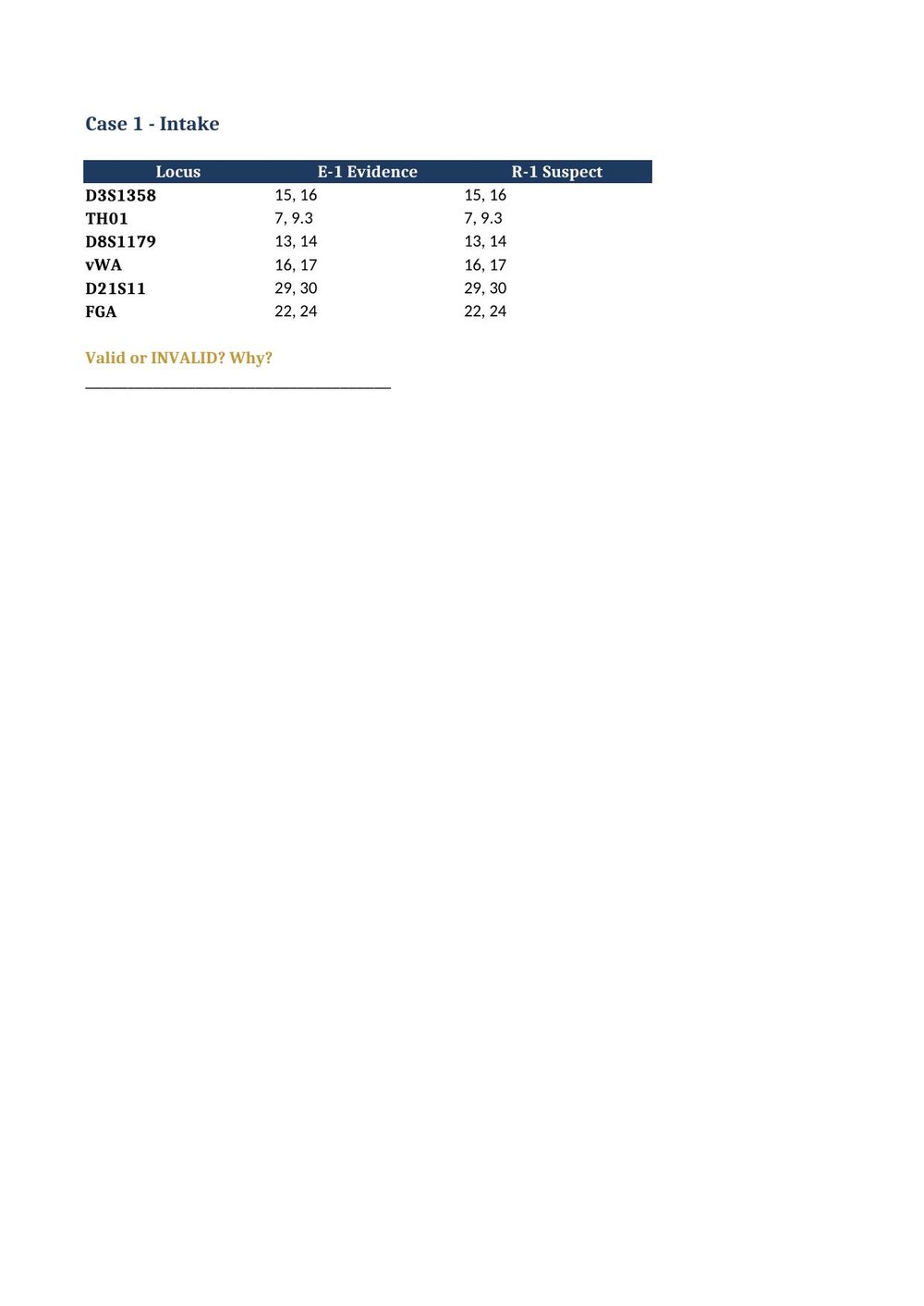
The tools carry the mechanics.
The editable classroom tools organize evidence, calculations, and decision records so students can focus on judgment. Future releases and confidential guidance remain under teacher control.
Tap to see a classroom tool
Everything you need to guide the experience.
- Day by Day Teacher Playbook. Clear preparation, pacing, release, collection, and next-day directions for each session.
- Teacher-confidential release materials. Later evidence, consequences, answers, and debrief guidance remain under teacher control.
- Student launch and decision files. Launch-safe materials introduce the role, evidence, constraints, and first decision without exposing what follows.
- Editable classroom tools. Word and Excel or Google Docs and Sheets versions support digital use and paper fallback.
- Reasoning-centered assessment. Students are graded on evidence, explanation, revision, and reflection, not on selecting a hidden preferred outcome.
- Classroom supports. Scaffolds, accessibility options, absence recovery, and practical facilitation guidance are included.
Bring The Sample to your classroom.
Give students a structured place to practice discernment, judgment, and resolve through Biotechnology.
Get this simulationInstant download · Word & Excel or Google Docs & Sheets · Yours forever · Preview real sample pages firstPreview real sample pages from the simulation before you spend a dollar. See the quality for yourself first.